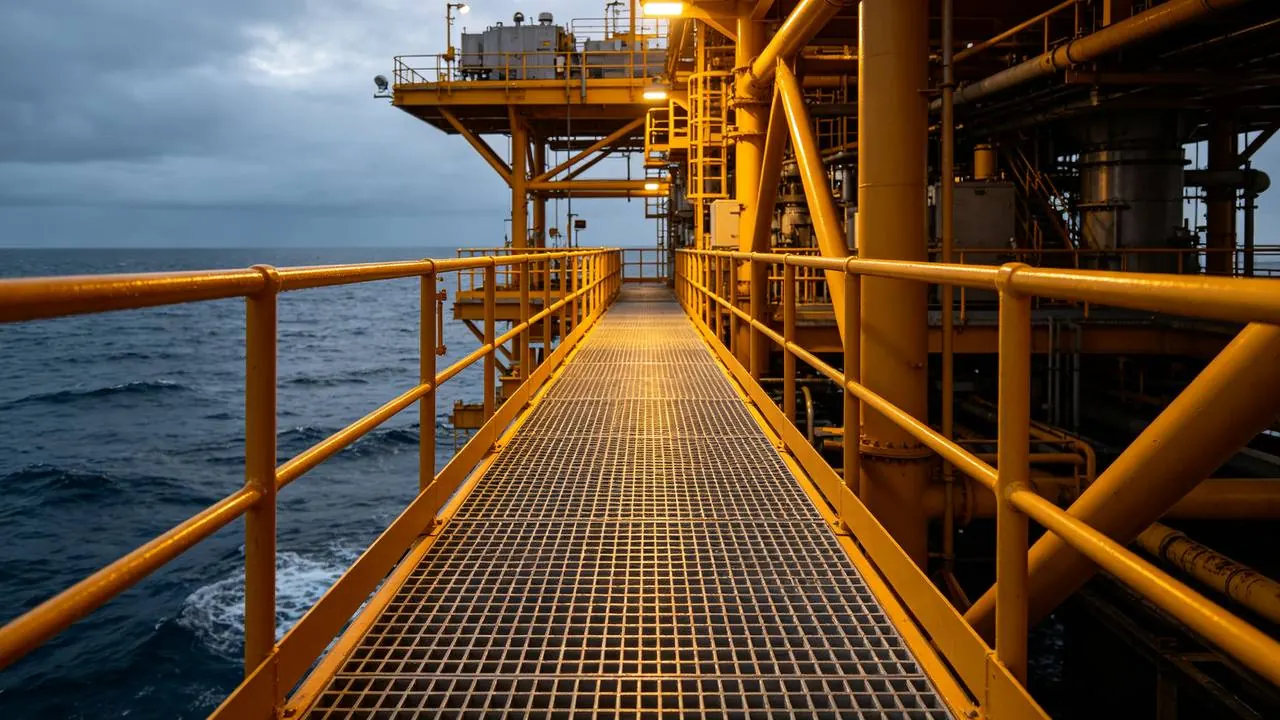
Premium FRP Fiberglass Grating Manufacturer & Supplier

Corrosion-resistant, lightweight, high-strength fiberglass grating solutions for industrial, chemical, marine, and infrastructure applications. 20+ year service life with zero maintenance.

🛡️

Corrosion Proof

Immune to rust & chemicals

Lightweight

25% the weight of steel

🔧

Low Maintenance

No painting, no rust

Our Products

6 premium FRP grating products and accessories — molded grating, pultruded grating, covers, stair treads, profiles, and stainless steel fasteners.

Best Seller

Molded FRP Grating

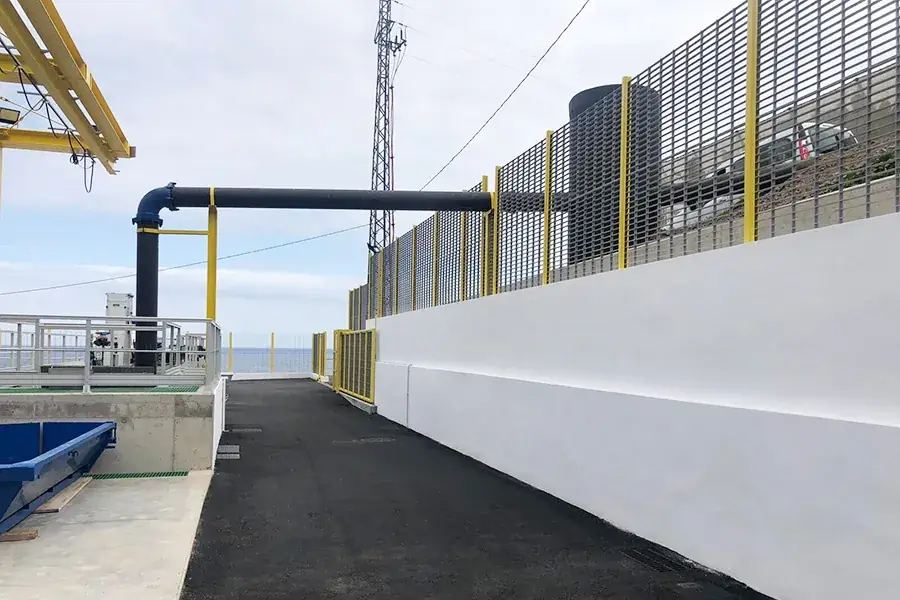
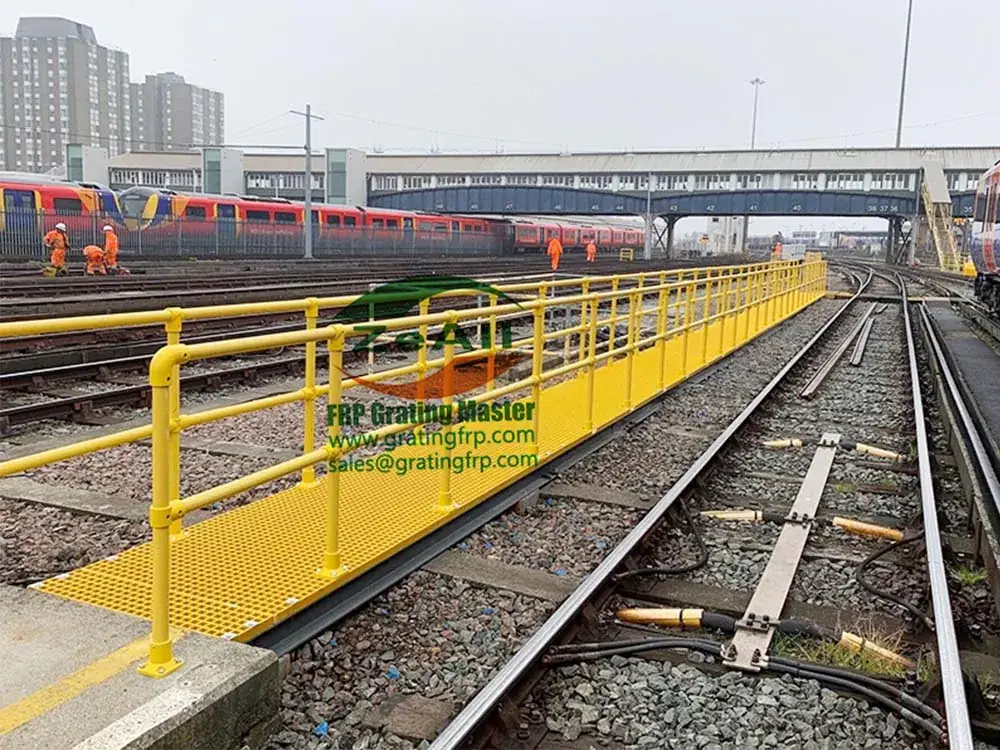
One-piece molded fiberglass grating with bidirectional strength. Ideal for general walkways, platforms, and drainage areas.

MaterialVinyl Ester / Polyester
Thickness25mm / 30mm / 38mm
Mesh Size38x38mm / 19x19mm
Load ClassLight / Medium Duty
SurfaceGrit / Smooth / Concave
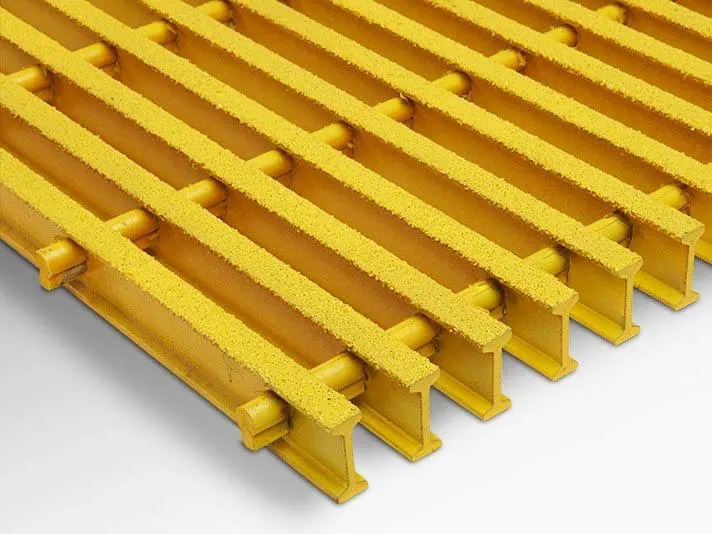
Heavy DutyPultruded FRP Grating - Industrial Quality

Pultruded FRP Grating

High-strength pultruded grating with unidirectional glass reinforcement. Longer spans, higher load capacity for heavy industrial applications.

MaterialVinyl Ester Resin
Thickness38mm / 50mm / 65mm
Bar Spacing30mm / 40mm / 50mm
Load ClassMedium / Heavy Duty
Max SpanUp to 2000mm
FRP Fiberglass Grating Cover Panel - Solid Top

FRP Grating Cover

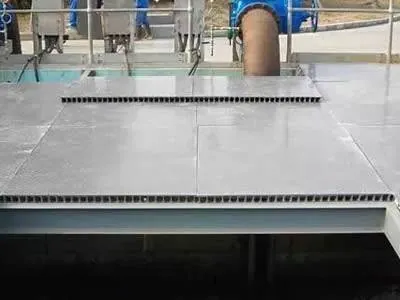
Solid top FRP cover panels bonded to grating for applications requiring solid flooring while maintaining corrosion resistance and lightweight.

MaterialFRP Composite
Thickness3mm / 5mm / 6mm
SurfaceSmooth / Grit / Anti-slip
ColorGray / Yellow / Green
ApplicationSolid flooring, trenches
🪜

FRP Stair Treads

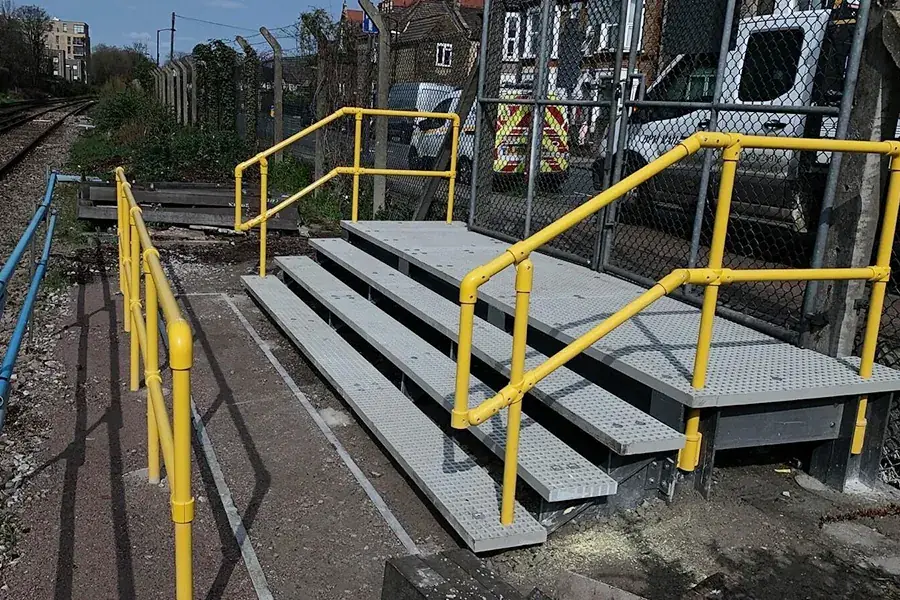
Corrosion-resistant fiberglass stair treads with integrated nosing for safety. Available in grit-top for maximum slip resistance in wet environments.

MaterialVinyl Ester / Polyester
Depth200mm / 250mm / 300mm
Thickness38mm standard
NosingIntegrated / Yellow safety
SurfaceGrit top (standard)
Pultruded FRP Fiberglass Profiles - Various Shapes

Pultruded FRP Profiles

Custom pultruded fiberglass profiles including angles, channels, tubes, I-beams, and flat bars. Corrosion-resistant structural shapes for handrails, ladders, and supports.

MaterialVinyl Ester / Isophthalic
ShapesAngle, Channel, Tube, I-Beam
Length6m / 12m (custom cut)
SurfaceSmooth / Sanded / Veil
ApplicationHandrails, ladders, supports
Stainless Steel Grating Clips - 304 316 Fasteners

Stainless Steel Grating Clips

304/316 stainless steel installation clips and fasteners. G-clips, M-clips, saddle clips, and custom fastening solutions for secure FRP grating installation.

MaterialSS304 / SS316 Stainless
TypesG-Clip, M-Clip, Saddle
FinishPolished / Passivated
Thread SizeM6 / M8 / M10 / M12
CorrosionSalt spray 1000+ hours

Applications

FRP grating is used across diverse industries where corrosion resistance, safety, and low maintenance are critical requirements.

🛢️

Oil & Gas

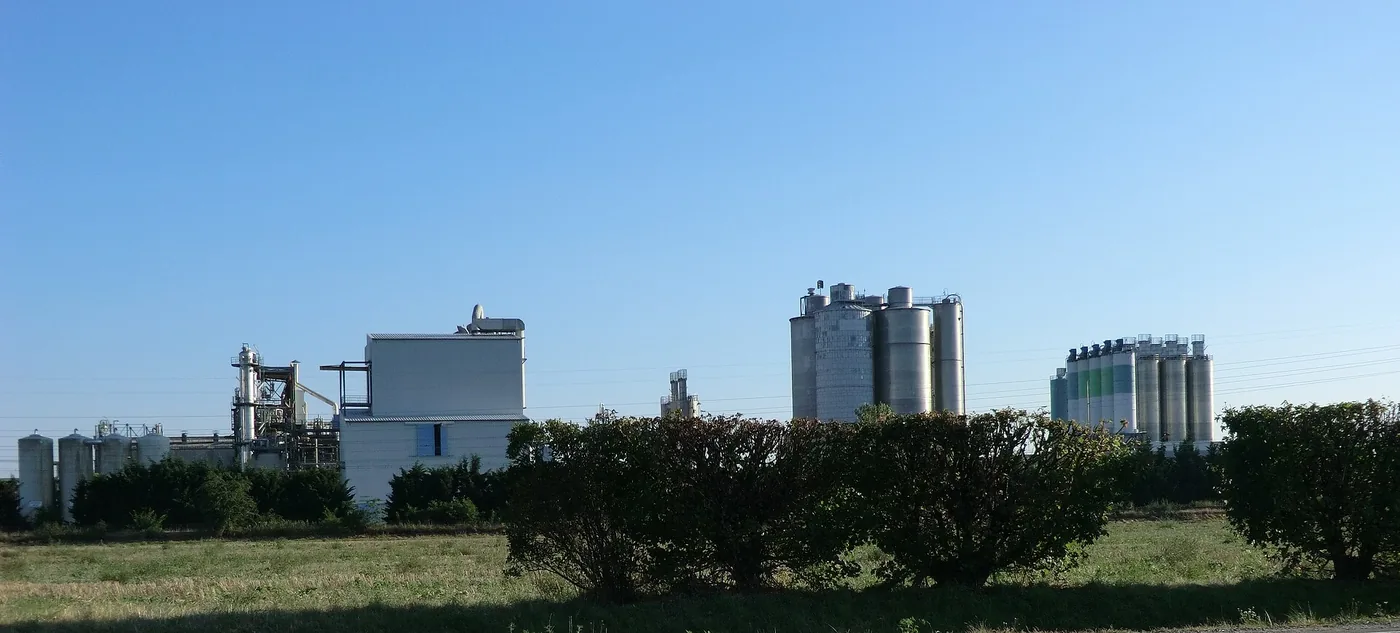
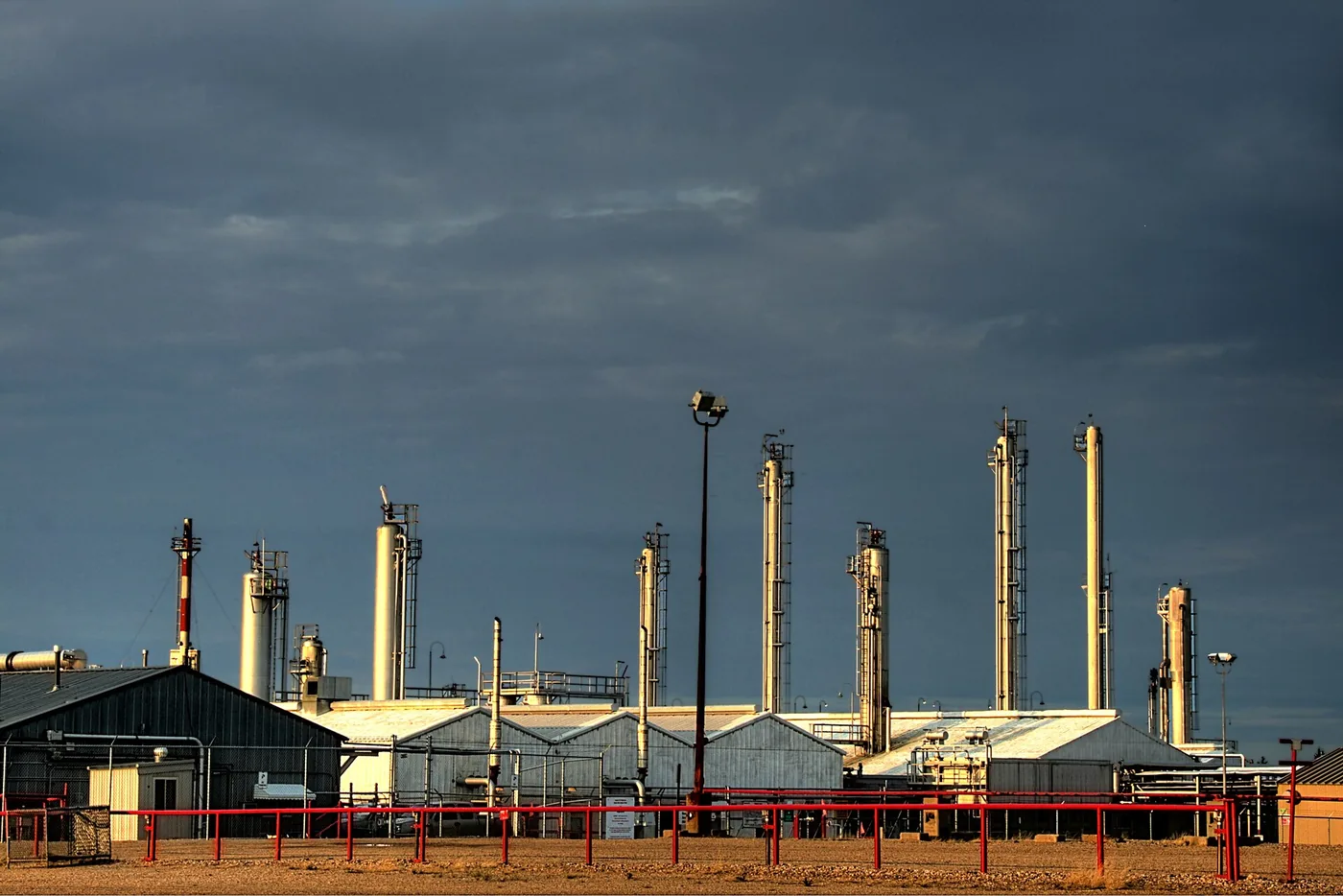
Offshore platforms, refineries, and petrochemical facilities where saltwater and chemical corrosion destroy steel.

⚗️

Chemical Plants

Acid/alkali storage areas, processing floors, and walkways requiring resistance to corrosive chemicals.

💧

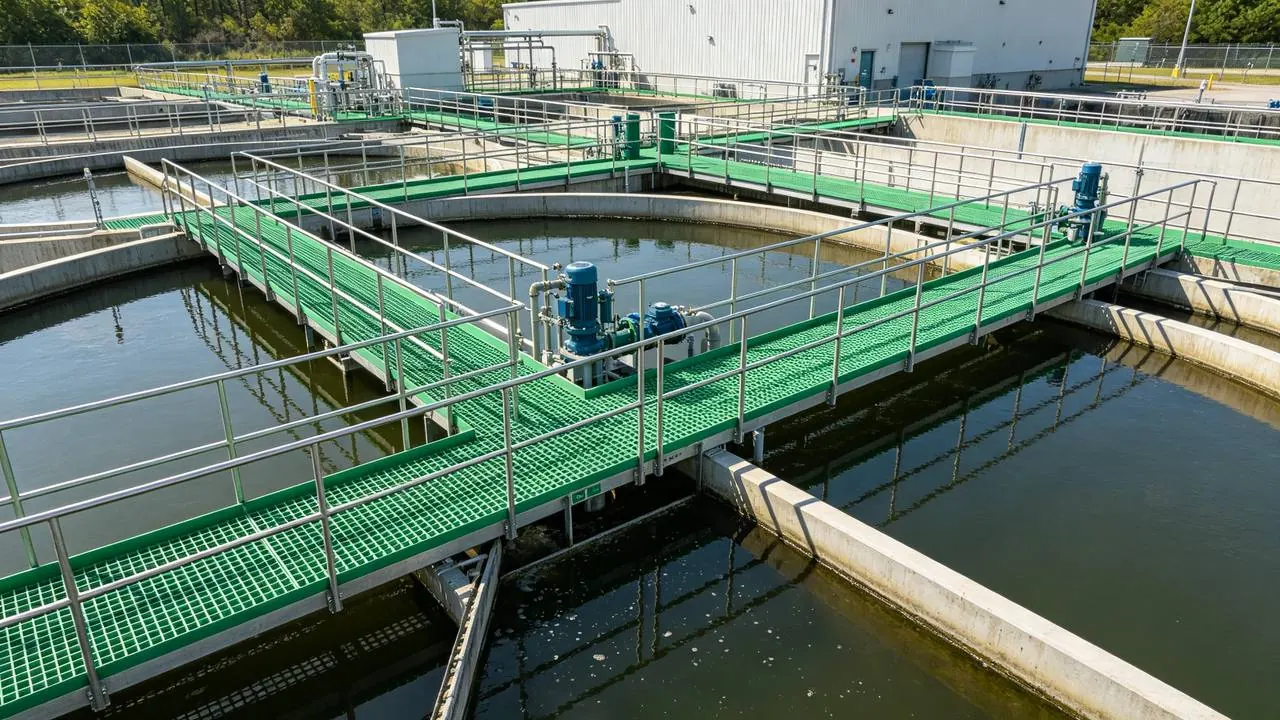
Water Treatment

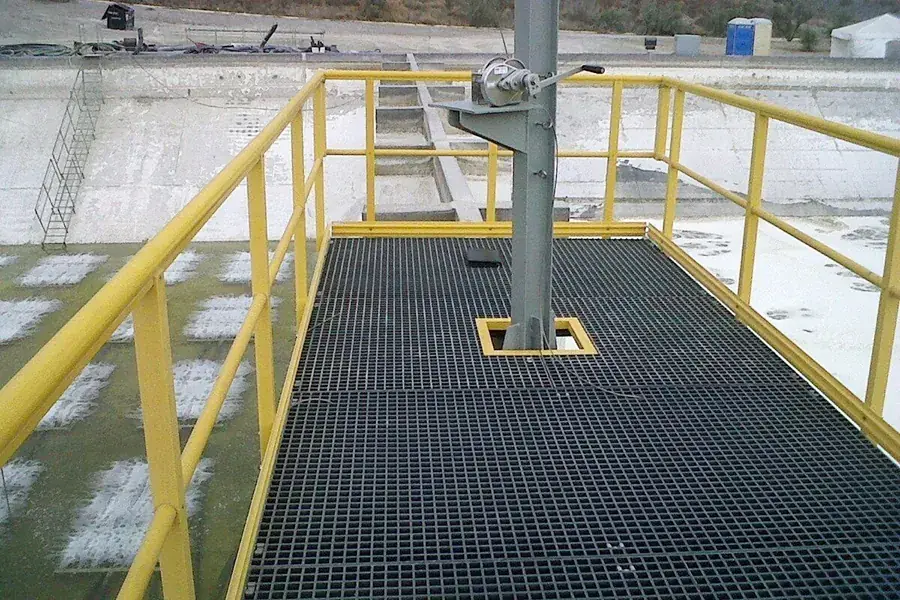
Municipal and industrial water/wastewater treatment plants with constant moisture and chemical exposure.

🚢

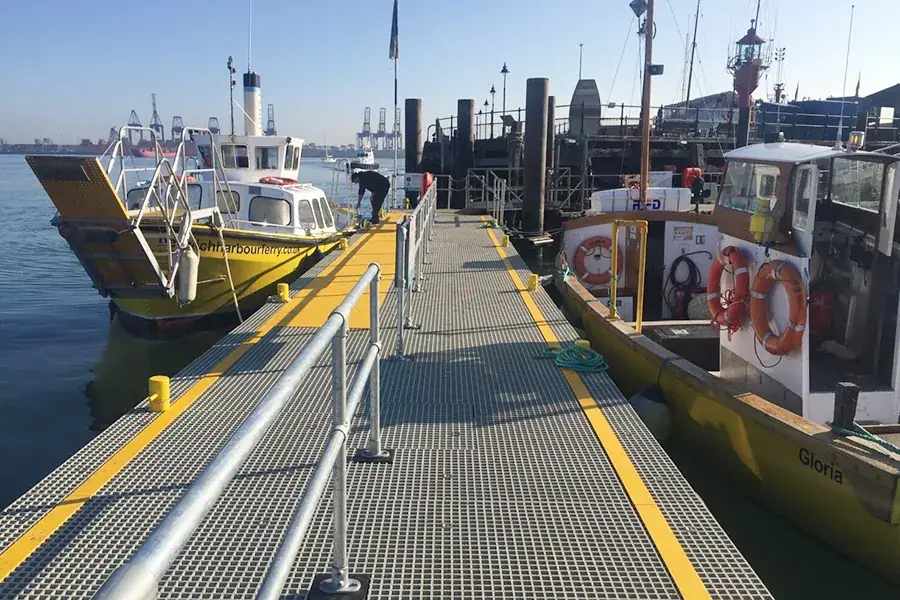
Marine & Shipbuilding

Ship decks, offshore wind platforms, dock walkways, and port facilities in saltwater environments.

🍺

Food & Beverage

Processing plants, breweries, dairies, and bottling lines requiring frequent caustic washdowns.

🏢

Commercial Flooring

Walkways, platforms, ramps, and drainage areas in commercial buildings, malls, and public spaces.

Technical Specifications

Compare molded and pultruded FRP grating across key performance parameters. All products manufactured to strict ISO 9001 quality standards.

ParameterMolded GratingPultruded Grating
Manufacturing ProcessOne-piece moldedContinuous pultrusion
Glass Fiber DirectionBidirectional (X & Y)Unidirectional (lengthwise)
Standard Thickness25mm / 30mm / 38mm38mm / 50mm / 65mm
Standard Mesh38x38mm / 19x19mm30mm / 40mm / 50mm bar spacing
Maximum Span (Medium)1200-1500mm1500-2000mm
Load Capacity (Heavy)500 kg/m²1000+ kg/m²
Resin OptionsOrthophthalic / Isophthalic / Vinyl EsterIsophthalic / Vinyl Ester
Surface OptionsGrit / Smooth / Concave / CoveredGrit / Smooth
Typical ApplicationsGeneral walkways, drainageHeavy traffic, long spans
Weight (38mm)~12 kg/m²~10 kg/m²

Resin Systems

  • Orthophthalic Polyester - General purpose
  • Isophthalic Polyester - Improved corrosion
  • Vinyl Ester - Maximum chemical resistance
  • Phenolic - Fire resistant (ASTM E-84)

Surface Treatments

  • Grit Top - Maximum slip resistance
  • Smooth Top - Easy cleaning, hygienic
  • Concave Top - Moderate slip, comfortable
  • Covered Top - Solid flooring surface

Standard Colors

  • Gray (industrial standard)
  • Yellow (safety coding)
  • Green (food/beverage)
  • Custom colors available on request

Why Choose ZEALL

We combine manufacturing expertise, quality materials, and global service to deliver FRP solutions that last decades.

🏭

15+ Years Experience

Over a decade of FRP grating manufacturing expertise, serving clients across 30+ countries with proven quality and reliability.

ISO 9001 Certified

All products manufactured under strict ISO 9001 quality management systems with full material traceability and test reports.

📐

Custom Fabrication

Precision custom cutouts, special sizes, non-standard colors, and engineered solutions for your specific application requirements.

🌍

Global Shipping

Worldwide shipping with competitive freight rates. Experienced export team handling documentation, customs, and delivery.

💰

Factory Direct Price

Direct from manufacturer with no middlemen. Competitive pricing while maintaining premium quality and full technical support.

🔬

Technical Support

Free application engineering, load calculations, span recommendations, and installation guidance from our technical team.

15+
Years Experience
30+
Countries Served
500+
Projects Completed
20+
Year Service Life

Blog & Insights

Technical articles, industry news, and expert guides on FRP grating — helping engineers and buyers make informed decisions.

📊
Technical Guide
Aug 15, 2026

FRP Grating vs Steel Grating: 2026 Cost & Performance Comparison

A detailed comparison of fiberglass and steel grating across cost, weight, corrosion resistance, maintenance, and lifespan. Learn which material delivers better ROI.

1. Initial Cost Comparison

Steel grating typically costs $45-$75/m² for galvanized versions, while stainless steel can reach $150-$250/m². FRP grating generally ranges from $60-$100/m² depending on resin type and load class. While FRP carries a 20-30% higher upfront cost, this gap narrows significantly when installation and lifecycle costs are factored in.

2. Weight and Installation

Steel grating weighs 30-50 kg/m², requiring multiple workers and lifting equipment. FRP weighs only 25% of steel (8-12 kg/m²), allowing one worker to install panels without equipment. No welding needed — simple stainless steel clips secure panels. Installation time and labor costs are typically reduced by 30-50%.

3. Corrosion Resistance

Steel grating — even galvanized — rusts with moisture, salts, acids, and alkalis. In coastal or chemical plants, galvanized steel may show significant corrosion within 3-5 years. FRP is inherently immune to rust and electrochemical corrosion. Vinyl ester resins withstand prolonged exposure to acids, alkalis, solvents, and saltwater.

4. Maintenance Costs

Steel demands ongoing maintenance: annual rust inspection, touch-up painting, corroded section replacement. Over 10 years, maintenance costs for steel in corrosive environments can equal or exceed the initial purchase price. FRP requires virtually no maintenance beyond periodic washing with soap and water.

5. Lifespan and Durability

In dry indoor environments, galvanized steel lasts 15-20 years. In corrosive settings, lifespan drops to 5-10 years. FRP consistently delivers 20-30 years of service in most environments. Over 20 years, FRP typically costs 40-60% less than steel despite higher initial price.

Conclusion

While FRP has higher initial cost, its lower installation cost, zero maintenance, non-conductive safety, and 2-3x longer lifespan make it more economical over 10+ years — especially in corrosive environments. Steel remains viable for dry, low-corrosion indoor applications where upfront budget is primary.

⚗️
Technical Guide
Aug 10, 2026

How to Choose the Right FRP Grating for Chemical Plants

Chemical environments demand specialized corrosion resistance. This guide covers resin selection, load requirements, surface treatment, and compliance for chemical facilities.

1. Understand Your Chemical Environment

Before selecting grating, conduct a thorough assessment of chemical exposure. Document all chemicals: acids (sulfuric, hydrochloric, nitric), alkalis (sodium hydroxide, ammonia), solvents (acetone, methanol), oxidizers (chlorine, hydrogen peroxide), and salts. Note concentrations, temperatures, and exposure frequency. Create a chemical exposure matrix for each plant area.

2. Resin Selection

The resin system is the most critical factor in chemical resistance:

  • Orthophthalic Polyester: General-purpose, moderate corrosion resistance. Lowest cost.
  • Isophthalic Polyester: Improved resistance. Handles many acids, alkalis, salts at moderate concentrations.
  • Vinyl Ester: Maximum corrosion resistance. Withstands strong acids, alkalis, solvents, oxidizers at high concentrations and temperatures. Recommended for severe environments.
  • Phenolic: Exceptional fire resistance (ASTM E-84 Class 1). Good high-temperature performance.

For most chemical plant applications, vinyl ester is recommended. The 15-25% cost premium over isophthalic is justified by extended service life.

3. Load Requirements

Determine maximum uniform load (kg/m²) and concentrated point loads (equipment legs, wheel loads). FRP grating comes in light duty (25-30mm), medium duty (38mm), and heavy duty (50mm+). Always consult manufacturer span tables. Point loads are often more critical than uniform loads.

4. Surface Treatment

Chemical plants frequently have wet floors from washdowns and spills. Grit top provides maximum slip resistance even when wet, and is generally specified for all walking surfaces in chemical plants to minimize slip-and-fall incidents.

5. Compliance and Certification

Ensure suppliers provide: ASTM E-84 fire test reports, chemical resistance test data, load test certificates, ISO 9001 certification, and material traceability documentation.

Conclusion

Selecting FRP grating for chemical plants requires careful assessment of chemical exposure, resin matching (vinyl ester for severe environments), load calculations including point loads, grit-top surfaces for wet areas, and proper installation with sealed edges. Always request test reports and consult manufacturer engineering teams.

🔧
Technical Guide
Aug 5, 2026

5 Common Mistakes in FRP Grating Installation (And How to Avoid Them)

Even the highest-quality FRP grating can underperform if installed incorrectly. Learn the five most common mistakes and how to avoid them for 20+ year service life.

Mistake #1: Incorrect Support Spacing

Spacing supports too far apart is the #1 cause of FRP grating performance issues. Excessive deflection creates a "bouncy" feeling, and over time causes fatigue cracking and delamination. Always consult manufacturer span tables. Typical maximum spans: light duty 1500-1800mm, medium duty 1200-1500mm, heavy duty 900-1200mm. Consider both uniform AND point loads.

Mistake #2: Using Wrong Fasteners

Carbon steel fasteners rust in corrosive environments, bleeding stains and eventually failing. Over-tightening cracks FRP bars. Use 316 stainless steel clips or FRP composite fasteners. Space clips every 600-900mm along supports, minimum 4 per panel. Follow torque specs (typically 8-12 Nm). Use flat washers. Inspect fasteners periodically.

Mistake #3: Not Allowing for Thermal Expansion

FRP has 2-3x the thermal expansion of steel. In outdoor or temperature-variable environments, panels expand several millimeters. Tight installation with no gaps causes buckling, bowing, cracking, or panels pushing out of supports. Leave 3-5mm gaps between panels, 5-10mm at walls. Use slotted fastener holes. For areas exceeding 10-12 meters, install expansion joints.

Mistake #4: Improper Cutting and Edge Finishing

Using steel-cutting blades causes overheating, resin melting, glass fiber fraying, and splintered edges. Use carbide-tipped blades (10-14 TPI) or diamond blades. Wear PPE: respirator, goggles, gloves. Cut at moderate speed. Smooth edges with file/sandpaper. Seal all cut edges with compatible resin or edge trim. Prefer factory pre-fabrication to minimize field cutting.

Mistake #5: Ignoring Load Distribution and Point Loads

Many installations specify based only on uniform load ratings. But equipment legs, forklift wheels, pallet jacks create concentrated point loads that can far exceed uniform capacity. A grating rated 300 kg/m² UDL may only support 100-150 kg point load. Calculate point loads separately. If exceeded: shorten spans, use heavier grating locally, install load spreader plates, or add supports under concentrated loads.

Conclusion

Proper installation is critical to maximizing FRP grating lifespan. By avoiding these five mistakes — incorrect support spacing, wrong fasteners, no thermal gaps, improper cutting, and ignoring point loads — you can ensure 20+ years of reliable, maintenance-free service. Always follow manufacturer guidelines and consult engineering teams for complex applications.

📈
Industry News
Jul 28, 2026

Global FRP Grating Market Trends 2026-2030: Growth Drivers & Opportunities

The FRP grating market is projected to grow at 5.8% CAGR through 2030. Explore key growth drivers, regional trends, and emerging opportunities in the composite grating industry.

Market Overview

The global FRP grating market was valued at approximately $1.2 billion in 2025 and is projected to reach $1.6 billion by 2030 (CAGR 5.8%). This accelerates from the 2020-2025 period (4.2% CAGR). Molded grating represents ~60% of revenue, pultruded ~30%, specialty products ~10%.

Growth Driver #1: Global Infrastructure Investment

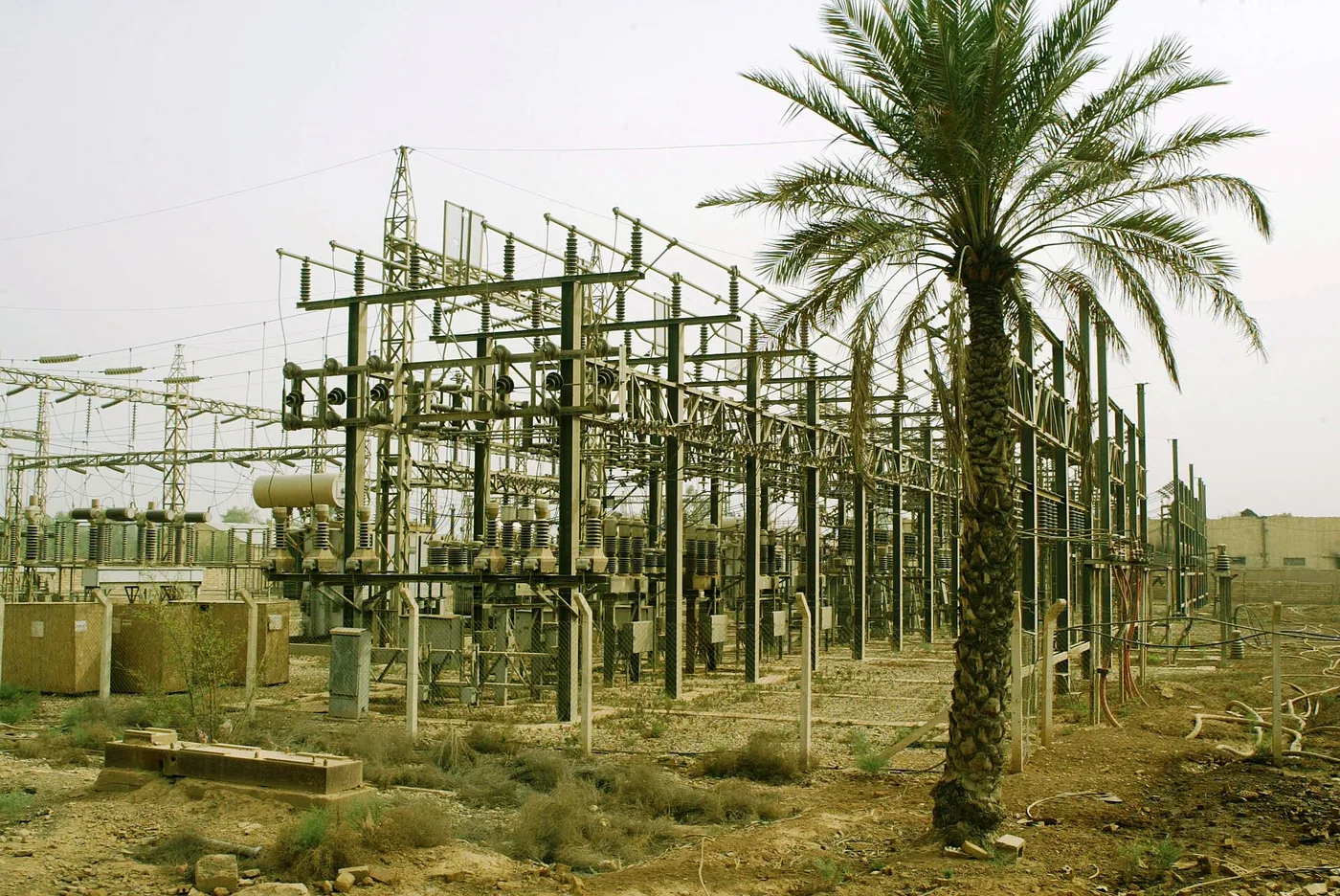
Governments worldwide allocate unprecedented funds: the US Infrastructure Investment and Jobs Act ($1.2 trillion), EU Recovery and Resilience Facility (€672.5 billion), and massive buildouts in Southeast Asia, Middle East, Africa. FRP grating is specified for bridge walkways, water treatment platforms, power station access, and pedestrian areas.

Growth Driver #2: Oil and Gas Recovery

Oil prices stabilized at $70-$90/barrel, driving capital expenditure on offshore platforms, refineries, pipelines. FRP is the material of choice for offshore platforms due to saltwater corrosion resistance, non-conductive properties, and lightweight (reducing platform dead load).

Growth Driver #3: Corrosion Replacement Cycle

Millions of square meters of steel grating installed in the 1990s-2000s are now reaching end-of-life in corrosive environments. Facility managers replacing corroded steel increasingly choose FRP, having experienced steel's high maintenance and short lifespan firsthand.

Growth Driver #4: Marine and Offshore Wind

Global shipbuilding is recovering strongly. FRP grating is standard on naval vessels, offshore support ships, cruise ships. Offshore wind energy is a high-growth area — each turbine requires maintenance platforms and boat landing grating in FRP to withstand harsh marine environments.

Regional Analysis

  • North America (35% revenue): Mature market, 4-5% CAGR, strong replacement cycle.
  • Europe (28%): Strict regulations driving adoption, sustainability focus, 5% CAGR.
  • Asia-Pacific: Fastest growing (8%+ CAGR), infrastructure investment, industrialization.
  • Middle East & Africa: 6% CAGR, oil/gas driven, coastal/desert environments.

Emerging Opportunities

Custom fabrication services, eco-friendly resins (bio-based, recycled glass fiber), smart grating with embedded IoT sensors, fire-resistant phenolic grating, and rental/leasing models for short-term projects.

Conclusion

The FRP grating market is poised for robust growth through 2030, driven by infrastructure investment, oil/gas recovery, corrosion replacement cycles, marine/offshore wind expansion, and food industry adoption. Manufacturers investing in innovation, sustainability, and custom services will capture market share.

🏗️
Case Study
Jul 20, 2026

Case Study: FRP Grating Retrofit at a Coastal Water Treatment Plant

A 50 MGD coastal water treatment plant replaced corroded steel grating with FRP vinyl ester grating, reducing maintenance costs by 93% and eliminating rust-related safety hazards.

Project Background

A 50 MGD coastal municipal water treatment plant serving 800,000 residents, located directly on the Atlantic coast with 75% average humidity and salt-laden air. Original galvanized steel grating installed in 2012. By 2024, 60% of walkways showed rust, bars thinning 30-50%, slippery surfaces. A 2025 inspection found 30% required immediate replacement, 70% at 50%+ corrosion.

Material Selection

Three options evaluated: galvanized steel (lowest cost but 5-7 year lifespan), 316 stainless steel (3x FRP cost, heavy, pitting risk), and FRP vinyl ester (best corrosion resistance, 20+ year life, lightweight, non-conductive). Selected: FRP vinyl ester grating with grit-top surface, based on corrosion resistance, zero maintenance, and total cost of ownership.

Project Scope

Total 1,200 m²: 850 m² molded FRP 38mm for general walkways, 200 m² pultruded FRP 50mm for heavy equipment access, 120 linear meters FRP stair treads, 300 linear meters FRP handrail system. All custom-fabricated with precision cutouts for pipes and equipment.

Cost Analysis

Total project: $185,000. Steel comparison: $160,000. FRP net initial premium: ~15% ($25,000).

20-year lifecycle:

  • FRP: $185k + $500/yr × 20 = $195,000
  • Steel: $160k + $5,000/yr × 20 + 2 replacements ($320k) = $580,000
  • 20-year savings: $385,000 (66% reduction)

12-Month Results

  • Zero corrosion on any FRP components, fasteners, handrails
  • Slip-and-fall incidents reduced 85% (grit-top traction)
  • Maintenance time: 120 hrs/year → 8 hrs/year (93% reduction)
  • No rust staining on surrounding equipment
  • All grating within deflection specs, no cracking/delamination
  • Employee survey: 95% positive feedback

Lessons Learned

Pre-fabrication critical (70% less field cutting, sealed edges). Vinyl ester worth premium for severe environments. Grit-top dramatically improves safety (85% slip reduction). Phased installation minimizes disruption. FRP lightweight reduces labor costs and worker fatigue.

Conclusion

This retrofit demonstrates FRP's compelling value in corrosive environments. 15% higher initial cost, but 66% lower 20-year lifecycle cost, with immediate safety and maintenance improvements. FRP vinyl ester is now the municipality's standard for all water/wastewater facilities.

📐
Technical Guide
Jul 12, 2026

Understanding FRP Grating Load Ratings: A Complete Specification Guide

Selecting the correct load rating is critical for safety and cost-effectiveness. This guide explains load classes, testing standards, span tables, and how to match grating to your application.

Why Load Ratings Matter

Load rating is the foundational specification for any grating. Safety: prevent catastrophic failure causing injuries. Performance: minimal deflection for stable walking. Cost: right-sizing avoids over-engineering (30-50% cost difference between classes). Compliance: building codes, OSHA, insurance requirements. Longevity: grating within design load lasts significantly longer.

FRP Grating Load Classes

Light Duty (Class A / Pedestrian): Pedestrian traffic only. UDL 100-150 kg/m², point 75-100 kg. Thickness 25-30mm. Max span 1500-1800mm.

Medium Duty (Class B / Industrial): Pedestrian + light wheeled traffic. UDL 200-350 kg/m², point 150-250 kg. Thickness 38mm. Max span 1200-1500mm. Most commonly specified.

Heavy Duty (Class C / Vehicular): Forklift and heavy vehicle traffic. UDL 500-1000+ kg/m², point 500-1500 kg. Thickness 50-65mm. Max span 900-1200mm.

Understanding Load Types

  • Uniformly Distributed Load (UDL): Evenly spread (crowd, snow). kg/m². Most commonly referenced but often NOT controlling.
  • Concentrated (Point) Load: Single point (equipment leg, wheel, foot). kg. Almost always more critical than UDL. A 300 kg/m² UDL grating may only support 100-150 kg point load.
  • Impact Load: Sudden dynamic force (dropped object, jump). Requires higher safety factor (5:1 vs 3:1).
  • Fatigue Load: Repeated cyclic loading (forklift passes, vibration). Can cause failure over time even within static rating.

Deflection Limits

Excessive deflection creates bouncy feel, fastener fatigue, tripping hazards. Common standards:

  • L/360: Most common for walking surfaces. 1200mm span = 3.3mm max deflection. Firm, stable feel.
  • L/240: Industrial platforms, occasional access. 1200mm = 5mm. Slightly springy.
  • L/500: Sensitive equipment, high-comfort. 1200mm = 2.4mm.

Span Tables: How to Use

  1. Identify exact product (type, thickness, mesh, resin)
  2. Determine UDL and point load
  3. Find max span for UDL
  4. Find max span for point load
  5. Use the SMALLER of the two
  6. Verify deflection limit
  7. Apply derating for impact/fatigue/temperature

Factors Affecting Load Capacity

Thickness (primary factor), mesh/bar size, resin type, glass content, molded vs pultruded, temperature (above 60-80°C reduces strength 20-50%), chemical exposure, UV exposure.

Common Specification Mistakes

  1. Only UDL, ignoring point loads (#1 mistake)
  2. Too-long spans to save on supports
  3. No temperature derating for hot environments
  4. Ignoring impact/fatigue loads
  5. Over-specifying (wasting budget)
  6. Under-specifying to save cost (premature failure)
  7. Not checking fastener/support capacity (weak link)

Conclusion

Correct FRP grating load specification requires understanding all load types (uniform, point, impact, fatigue), selecting the right load class, using span tables correctly, applying deflection limits, and accounting for environmental factors. The #1 mistake is ignoring point loads — they control most real-world installations. When in doubt, consult manufacturer engineering teams for free load calculations.

Product Videos

See our FRP grating in action — manufacturing, testing, and real-world applications. Watch and learn why ZEALL is the trusted choice.

4:32

FRP Grating Manufacturing Process

Take a full tour of our FRP grating production line — resin mixing, molding, curing, and quality inspection.

Watch on YouTube →
2:18

FRP Grating Load Capacity Test

Watch our heavy-duty FRP grating withstand over 500kg/m² load testing in our quality lab.

Watch on YouTube →
3:45

FRP vs Steel Grating: Corrosion Test

A 30-day salt spray test comparing FRP grating and steel grating side by side. The results speak for themselves.

Watch on YouTube →
6:10

FRP Grating Installation Guide

Complete walkthrough of professional FRP grating installation — measuring, cutting, fastening, and edge finishing.

Watch on YouTube →

Frequently Asked Questions

Common questions about FRP grating materials, specifications, installation, and performance. Can't find your answer? Contact our technical team.

FRP (Fiberglass Reinforced Plastic) grating is made of a composite material consisting of glass fiber reinforcement embedded in a thermosetting resin matrix, typically polyester, vinyl ester, or phenolic resin. The glass fibers provide strength and rigidity, while the resin provides corrosion resistance and binds the fibers together.
Standard FRP grating panels are typically 1220x3660mm (4x12ft) or 1000x4000mm. Common thicknesses include 25mm, 30mm, 38mm, 50mm, and 65mm depending on load requirements. Mesh sizes vary from 19x19mm (fine mesh) to 38x38mm (standard mesh). Custom sizes and cutouts are available.
FRP grating load capacity depends on thickness, mesh size, and support span. Light duty supports 100-150 kg/m², medium duty 200-350 kg/m², and heavy duty 500-1000+ kg/m². Point loads (equipment legs, wheels) are often more critical than uniform loads. Always consult the manufacturer's span tables for your specific application.
Molded grating is manufactured in a one-piece molding process with bidirectional (X and Y axis) glass fiber strength, ideal for general walkways and drainage areas. Pultruded grating is made by pulling continuous glass fibers through resin, offering higher unidirectional (lengthwise) strength and longer spans for heavy-duty applications like forklift aisles. Molded offers better corrosion resistance in all directions; pultruded offers higher strength-to-weight ratio.
Yes, FRP grating is excellent for outdoor use. It is UV-stabilized, corrosion-resistant, and maintains performance in extreme temperatures, saltwater, and harsh weather conditions without rusting or degrading. Unlike steel, FRP does not require painting or rust treatment, making it virtually maintenance-free in outdoor environments. UV-inhibited resins are standard for outdoor applications.
FRP grating can be cut using carbide-tipped circular saw blades (10-14 teeth per inch), jigsaws with carbide blades, or diamond blades for thick sections. Always wear proper PPE: NIOSH-approved respirator for fiberglass dust, safety goggles, cut-resistant gloves, and long sleeves. Cut at moderate speed with steady feed pressure. After cutting, smooth edges with a file and seal with compatible resin to prevent moisture ingress. Factory pre-fabrication is recommended for complex cuts.
FRP grating typically lasts 20-30 years in most environments, including corrosive chemical plants, coastal facilities, and wastewater treatment plants. It requires virtually no maintenance beyond periodic cleaning. The actual lifespan depends on resin selection (vinyl ester lasts longest in severe environments), load conditions, UV exposure, and proper installation. Compared to steel grating (5-10 years in corrosive environments), FRP offers 2-3x longer service life.
Yes, we offer comprehensive custom fabrication services including precision cutouts for pipes, valves, and equipment; custom panel sizes and shapes; non-standard colors; special surface treatments; and engineered solutions for specific applications. Provide dimensioned drawings and our fabrication team will produce pre-cut panels with sealed edges, minimizing field installation time and ensuring proper fit. Custom fabrication typically adds 3-5 business days to lead time.

Contact Us

Get a free quote and technical consultation. Our team typically responds within 24 hours with pricing and specification recommendations.

Get in Touch

🏢

Company

NANTONG ZEALL NEW MATERIALS CO., LTD.

📍

Address

No. 888 Changtai Road, Nantong, China 226000

💬 Chat on WhatsApp

Request a Quote

✓ Thank you! Your inquiry has been submitted. We will contact you within 24 hours.